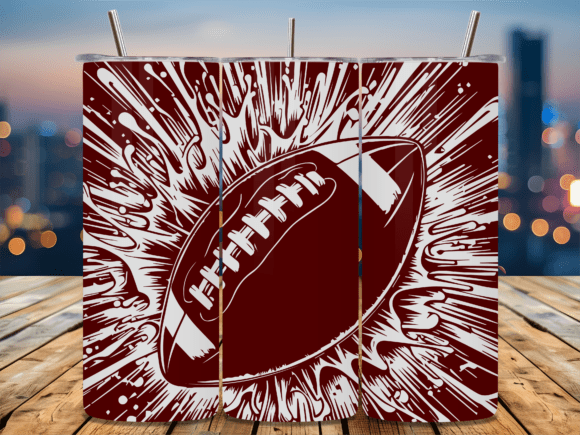
American Football Ball Splat Ink: Graphics for Crafts
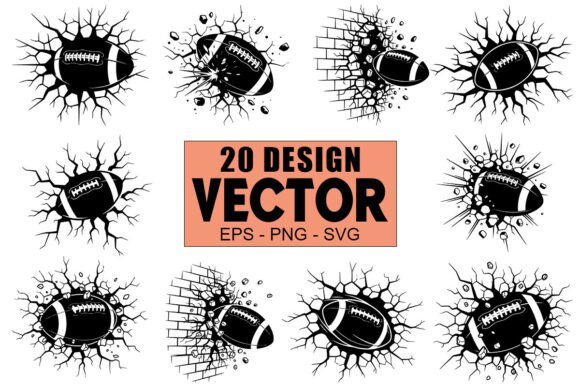
As a digital publisher who manages multiple content sites across the sports and lifestyle niches, I am constantly evaluating graphic design assets that can bridge the gap between amateur blogging and professional editorial standards. When I first opened the files for the American Football Ball Splat Ink, my immediate assessment was focused on its utility in high-energy content environments. This asset does not whisper; it shouts. The ink splat texture combined with the iconic football silhouette creates an editorial mood that is visceral, dynamic, and unapologetically bold. For publishers running fantasy football leagues, tailgating guides, or youth sports blogs, this graphic instantly signals to the reader that the content is active and engaging rather than sterile or overly corporate.
In my workflow, first impressions dictate bounce rates. A clean, vector-based splat like this offers a modern alternative to stock photography, which often feels generic. It supports a visual identity that is playful yet authoritative enough for serious game analysis. Because this is a digital download available as an instant resource, it fits perfectly into the agile publishing schedules of affiliate marketers and newsletter creators who need fresh visuals without waiting for custom illustrations.
Elevating Editorial Layouts and Web Design Hierarchy
The true test of any design asset is how it performs within a live layout. In my recent site redesign for a seasonal sports blog, I utilized this American football ball splat ink as a recurring motif to establish visual hierarchy. The irregular edges of the ink splat break up the rigid grid of standard web design, guiding the reader’s eye toward key conversion points. I found it particularly effective when used behind headline text in hero sections. The organic shape provides a natural container for white space, allowing typography to breathe while maintaining high visual interest.
For blog graphics and featured images, this asset solves a common problem: the "floating object" syndrome where clipart looks pasted onto a background. Because the ink splat has textured edges, it blends seamlessly into solid color backgrounds or subtle paper textures. This makes it ideal for creating consistent category thumbnails. When a user scrolls through an archive of posts, seeing this specific ink style repeatedly reinforces brand identity and aids in navigation. It transforms a disparate collection of articles into a cohesive digital magazine experience.
Strategic Applications for Content Marketing and Lead Magnets
Beyond standard blog posts, this graphic proves invaluable for content marketing collateral. As a publisher, I frequently create lead magnets such as printable bracket sheets, party planning checklists, or coaching drill cards. The American Football Ball Splat Ink serves as an excellent branding element on these documents. It adds a layer of professional polish to printable designs that increases perceived value. When a subscriber downloads a PDF guide featuring this distinct artwork, they associate that quality with your website, increasing trust and future engagement.
For those utilizing Canva templates to speed up production, importing the SVG version of this file allows for infinite scalability without pixelation. I have used it to create Pinterest pins that stand out in crowded feeds. The high contrast of the ink against bright team colors stops the scroll effectively. Similarly, for social media graphics promoting affiliate products like jerseys or gear, the splat acts as a focal point that draws attention to product links without looking like a blatant advertisement. It maintains the editorial integrity of the post while supporting monetization goals.
Technical Versatility: From Screen to Physical Crafts
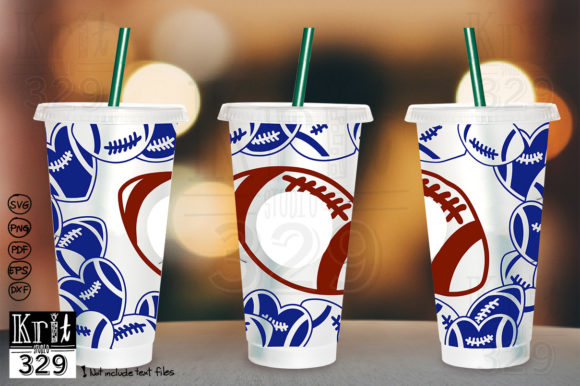
One of the strongest selling points for this asset is the inclusion of multiple file formats: SVG, PNG, EPS, and DXF. As someone who reviews assets for both digital and physical application, this versatility is non-negotiable. The EPS and SVG files are essential for web design and professional printing, ensuring crisp lines at any size. However, the DXF and cut files open up revenue streams beyond the screen. For creative entrepreneurs who also sell merchandise, this single purchase covers commercial design needs for stickers, t-shirts, and mugs.
This dual-purpose nature makes it a smart investment for small business branding. You can use the PNG for your website header and the same design for physical giveaways at a local event. Consistency across digital and physical touchpoints builds a stronger brand presence. Furthermore, because this is an instant download, there is no lead time. If you are preparing for a sudden playoff run or a trending topic, having this asset ready in your library allows you to capitalize on traffic spikes immediately.
Publisher Notes on Implementation and Licensing
While the American Football Ball Splat Ink is highly versatile, it requires thoughtful implementation to maintain editorial quality. Here are my practical notes for integrating this asset into a professional publishing workflow:
- Contrast Testing: Always test the graphic against your specific brand palette. While it works beautifully on white or light gray, ensure sufficient contrast if placing it over dark photographs. Use the PNG version with transparency for overlays.
- Typography Pairing: This graphic has a rough, hand-drawn aesthetic. Pair it with bold sans-serif fonts for headlines to match its energy. Avoid delicate script fonts directly touching the splat edges, as readability suffers. Serif fonts work well for body text nearby to ground the playful graphic with editorial seriousness.
- Mobile Optimization: On mobile devices, intricate details can get lost. Test the graphic as a thumbnail at 300px wide. If the ink splatter becomes muddy, consider using a simplified version or increasing the stroke weight for mobile-specific CSS.
- File Performance: Although vectors are lightweight, complex splats can have thousands of anchor points. Before uploading the SVG to your website, run it through an optimizer like SVGOMG to reduce file size and improve page load speeds, which is critical for SEO.
- Licensing Compliance: Always verify the commercial license terms before using this on monetized sites or paid products. Ensure the license covers unlimited use for digital goods and physical merchandise if that is part of your business model.
Where to Exercise Caution in Editorial Design
Despite its strengths, this asset is not universally appropriate. In my experience reviewing creative design for diverse clients, context is everything. Avoid using this ink splat in highly formal corporate reports, legal disclaimers, or somber memorial tributes. The playful, messy nature of the ink can undermine the gravity of serious content. Additionally, be cautious when using it in dense, text-heavy academic articles. The graphic demands attention and can distract from deep reading if placed too close to long-form copy.
Furthermore, consider the density of your layout. If your sidebar is already packed with ads and widgets, adding a bold ink splat banner may create visual clutter. In these cases, reserve the asset for primary content areas like the website header or featured image slots. Balance is key to maintaining a professional appearance. For minimalist brands, use the splat sparingly as an accent rather than a primary background element to preserve whitespace and elegance.
Final Verdict for Digital Creators
Ultimately, the American Football Ball Splat Ink is a robust tool for the modern digital publisher. It successfully bridges the gap between fun, fan-centric content and professional editorial design. Whether you are building a digital guide for coaches, designing Pinterest pins for a tailgating blog, or creating merchandise for a team store, this asset delivers flexibility and impact. By treating it as a core component of your visual system rather than just a decoration, you can elevate your content's perceived value and drive better engagement across all platforms. Just remember to optimize, test, and respect the visual hierarchy to get the best results.